The bases are loaded. You have missed with two straight fastballs. The crowd gets louder, the hitter gets comfortable, and your attention starts drifting toward everything that could go wrong.
You have practiced your delivery. You have completed your arm care, plyo’s and throwing work.
Have you rehearsed what you want to do between this pitch and the next one?
Mental imagery gives that part of your preparation a place in practice. You can rehearse the breath, the target, the decision, and the response you want to use when the game becomes difficult. A shadow bullpen brings that rehearsal into a pitcher’s competitive routine.
Skip Bertman shared a lesson with me that helps explain why this work belongs in baseball preparation.
His words were simple: “Everything happens twice.”
Start with the lesson from Skip Bertman
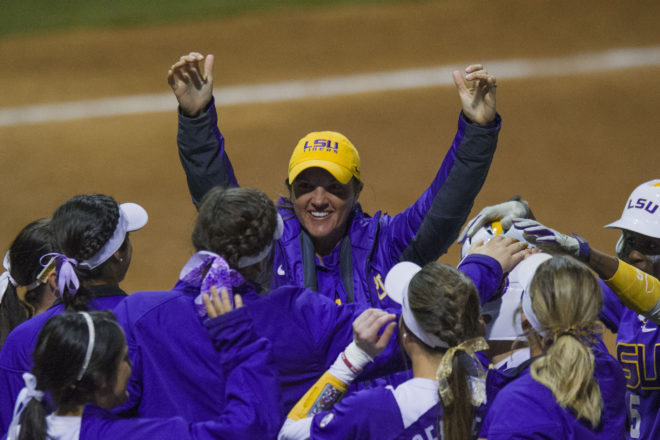
Skip led LSU to five national championships: 1991, 1993, 1996, 1997, and 2000. LSU’s account of his coaching career documents those titles and the program he built.
In a conversation I have shared in my teaching, we sat in the LSU dugout during a game vs. Ole Miss in 2019 and talked about the vision he had for the program when he interviewed for the job as an assistant at The University of Miami.
He described things he had imagined long before they became part of the environment around us.
Here is how I want baseball players to apply the lesson: rehearse a useful action in your mind, then practice doing it on the field.
A championship is an inspiring picture. Your next competitive action needs more detail. What does your preparation look like before the first pitch? Where does your attention go after a bad call? How do you respond when a runner reaches on an error?
Those are moments you can rehearse. Imagery works alongside your skill development, physical preparation, and team practice. You still have to make decisions and execute against a real opponent.
Give your imagery a specific baseball situation
“I’m going to have a great outing” is a goal. To turn that goal into rehearsal, choose a situation you can describe.
Imagine a left-handed hitter with a runner on first. Know the count and the outs. See where the catcher sets his glove. Feel the ground beneath your feet and the rhythm of your preparation. Account for the runner, get clear on the pitch, and commit to the target.
You can rehearse a hitter’s situation just as specifically. Picture the pitcher’s release point, the area you are looking for, and the decision you want to make when the ball reaches that area. Include taking a pitch that does not fit the approach.
A Texas baseball broadcast identifies Thomas Burns and describes his pregame visualization and meditation. That example shows how mental preparation can have a place in the day before competition starts. Your own session can begin with a comfortable breath and one clear baseball scene.
If your attention wanders, return to a useful detail. The catcher’s glove, the release point, or the feel of your ready position gives you somewhere to bring it back. Begin with a scene you can rehearse consistently.
Learn from Chandler and Cecconi
In the Bubba Chandler broadcast clip, the reporter describes him going through his pitching motion while visualizing the situation, without releasing the ball. The footage shows him rehearsing in the bullpen.
The Slade Cecconi broadcast offers another example. The announcers describe seeing him in the Guardians’ bullpen about an hour before the game, in full uniform, rehearsing his motion and visualizing. The clip connects that earlier preparation with the routine they see him use during the game.
These examples give the rehearsal a clear purpose: prepare for the situation and the task you expect to face. A shadow bullpen makes room to practice that sequence before the game begins.
In a shadow bullpen, the mental assignment is to practice your competitive routine and direct attention toward what you are trying to execute. Your pitching coach can guide the movement and how the drill fits the day’s preparation.
After each repetition, identify what happened in the imagined game. Did the hitter take? Did the runner advance? What is the count now? Prepare for the next pitch with those responsibilities in mind.
My shadow bullpen teaching guide explains how these rehearsals can include body language, rhythm, routines, and responses to adversity. The value comes from making those actions specific enough to practice.
Rehearse three hitters with three assignments
Use this starter sequence with your coach. Adjust the situations to your role and the work already planned for the day.
Hitter one builds your rhythm. Begin with your preparation before the inning and before the hitter. Picture the catcher and target, follow your routine, and rehearse the delivery. Include receiving the ball and preparing for the next pitch. Pay attention to the transitions you sometimes rush.
Hitter two adds a runner. Establish the count, outs, and runner’s location. Rehearse the responsibilities your coaches have taught you. Get clear on the plan, then return your attention to executing the pitch. The runner remains part of the situation without becoming your only focus.
Hitter three adds adversity. Imagine a ground ball finding a hole or a close pitch being called a ball. Notice your reaction and rehearse your reset. Check the changed situation, choose the next pitch, and commit again.
This sequence gives you something to review. You can explain which routine you practiced, what changed in the situation, and how you responded. Ask your coach to watch for a specific behavior, such as rushing after a miss.
Include the response after something goes wrong
If every imagined pitch is perfect, you leave out a large part of baseball.
Rehearse a missed location. Rehearse a strikeout. Rehearse your teammate making an error behind you. Then put most of your attention on the action that gets you ready to compete again.
A pitcher’s example might be to release tension from the shoulders, take a comfortable breath while looking at a familiar focal point, and use a short cue such as “this target.” Then account for the runners and return to the next pitch. Fit the routine to the pace and rules of your competition.
A hitter can rehearse taking a close pitch for a called strike, recognizing the new count, and returning to the approach. A shortstop can imagine a rushed throw and then rehearse communicating, checking the situation, and preparing before the next ball is hit.
You are practicing the next useful action. That makes a coach’s instruction to move on something a player can demonstrate.
Rehearse a short sequence before practice
Try the following exercise before your next session. This is an original coaching exercise you can adapt to your position.
Sit or stand comfortably. Let your eyes close if that helps, or settle your gaze on one spot. Take an easy breath and picture your home field.
Imagine standing on the mound with a clear count and target. Feel your feet beneath you, hear the catcher, and go through your routine. Picture delivering with commitment. Give yourself a few seconds to complete the sequence at a realistic pace.
Now imagine a ground ball finding a hole. A runner reaches. Notice your reaction, rehearse your reset, and check the situation. Return your attention to the target and prepare for the next pitch.
When you finish, name the response you want to use in practice. Later, record when you used it and what needs another repetition. Your on-field experience should help shape the next imagery session.
Apply the same preparation to hitting and defense
Kiké Hernández provides a useful position-player example in a postseason interview. He describes visualizing the next day’s pitchers and situations involving offense, defense, and baserunning. His preparation includes several ways he might be asked to contribute.
Hitters can rehearse seeing a specific release point, making a decision that fits the count, and getting ready again after a swing and miss. Include taking a tough pitch and returning to the approach after a called strike. Then complete the play by rehearsing the run out of the box and the read that follows.
Fielders can picture the situation before contact, their first step, communication, and the throw. Baserunners can rehearse reading the ball and responding to the coach. Catchers can prepare for communicating a change in the plan.
Choose the responsibility most relevant to your next opportunity. A reserve player preparing for a pinch-hit appearance needs a different scene from a starting shortstop preparing for a late-inning double-play situation.
Help players explain what they rehearsed
Coaches can make this work easier to learn by starting with one situation and one routine. Let a player rehearse independently, call out situations during the drill, or provide a short written sequence to follow.
The Texas mound-visit clip offers another useful teaching prompt: bring the group together, take a breath, and give everyone a clear next assignment. Rehearse that transition in practice so players know what to do after the meeting ends.
Watch the behaviors available to you. Does the pitcher change pace after a simulated miss? Does the hitter return to an approach? Can the fielder identify the next play? Ask what the player pictured and where their attention went when the situation changed.
Use those answers and observations to choose the next repetition. A player who can explain the rehearsal has given you something specific to coach.
Build the habit over the next week
Before practice, choose one situation, rehearse your routine, and include one challenge that requires a reset. After practice, write down where you used the response and what you want to rehearse tomorrow.
To begin with guided audio, use my pitching imagery, hitting imagery, or baseball imagery sessions.
Bring Skip’s lesson into your next practice.
Choose a moment, see the action you want to take, and rehearse it.
Then step onto the field and put that preparation to work.
Your Next Step!
If you’re a player, coach, or parent who cares about gaining a competitive edge, you’ll want to join my Baseball Mental Mastery (BAMM) Course Insiders List. I designed BAMM to give you a complete system for mastering the mental game of baseball to compete with confidence, consistency, and mental toughness — and registration opens soon!
When you join the BAMM Insider’s List, you’ll get first access when BAMM opens and receive a special discount.