The One Skill That Puts You in the Top 1% of Coaches
What is the one skill that can put you in the top one percent of coaches? It is not knowing one more drill than everybody else. It is not having the loudest pregame speech. It is not collecting more plays, technology, or slogans.
The skill is this: Intentionally and systematically teaching athletes how to coach their own mind under pressure. Most coaches agree the mental game matters. Far fewer have a curriculum for it.
They talk about toughness after a mistake.
They demand focus when attention breaks.
They tell athletes to be confident when confidence disappears.
Top coaches turn those vague demands into trainable behaviors, repeatable routines, and shared language. They teach the mental game with the same intention used to teach technical and tactical skill.
Today I will show you how to do that through Pillar 9, Leadership, and the complete 10 Pillars of Mental Performance Mastery.
Stop Preaching and Start Teaching
There is a difference between preaching and teaching.
Preaching says, “Be tougher.” Teaching defines what toughness looks like, demonstrates a response, creates a practice rep, observes behavior, and gives feedback.
Preaching says, “Focus.” Teaching shows athletes where attention should go, how to recognize drift, and how to return.
Preaching says, “Be confident.” Teaching BFS: Body Language, Focus, and Self-talk.
Preaching says, “Move on.” Teaching Recognize, Release, Refocus. A phrase may inspire. A system creates transfer.
Top coaches ask, “Can my athlete execute this skill when I am not there?” If the answer is no, the teaching is not complete.
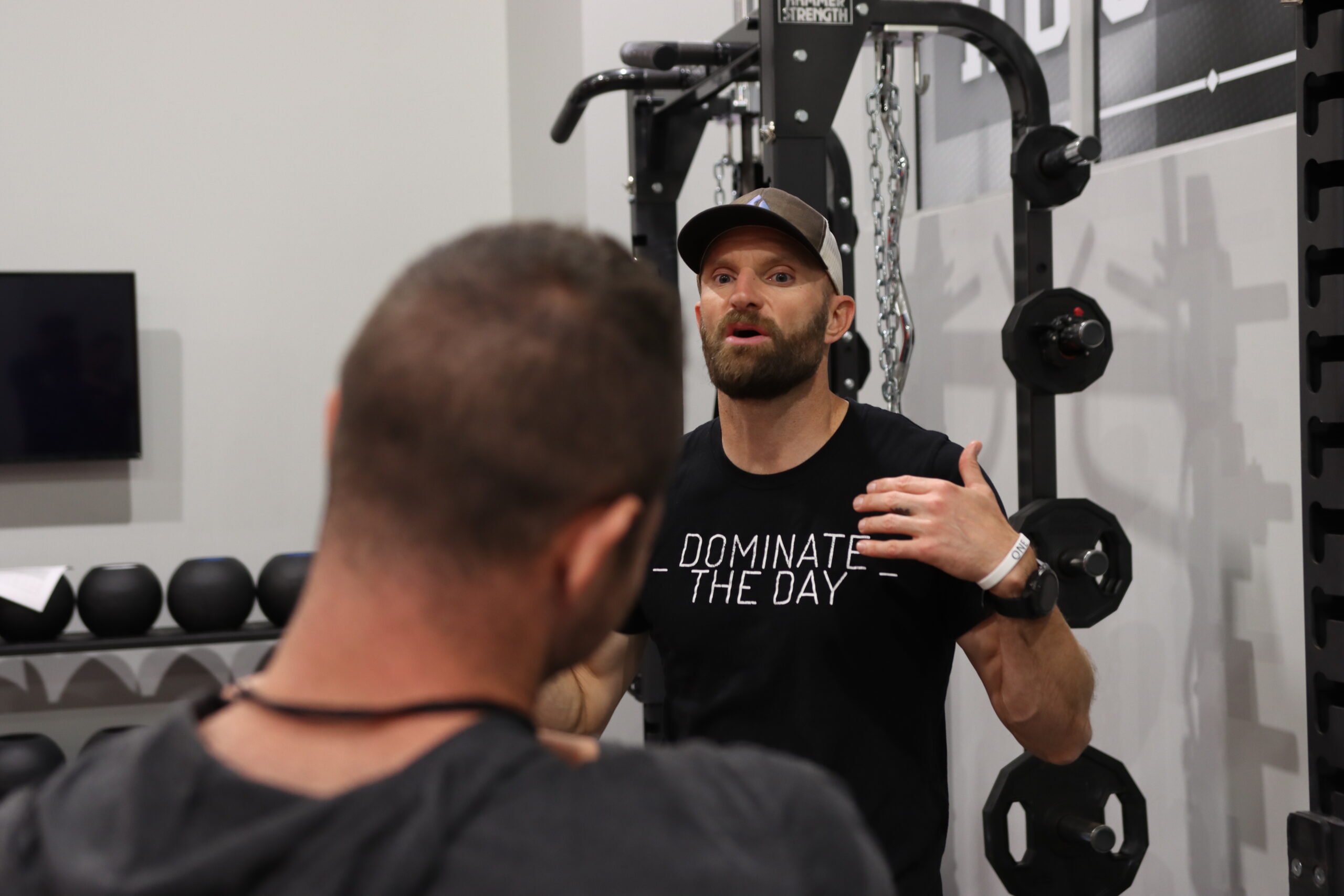
Coaching on Building MPM Into The Weightroom
Make The Invisible Visible
Mental performance is difficult to coach because it happens partly inside the athlete.
- Make it visible through behavior.
- What did body language communicate?
- Where were the eyes?
- What cue did the athlete use?
- How quickly did the athlete reset?
- Did the athlete complete the routine?
- What decision followed the emotion?
Create observable standards. Instead of “strong mindset,” define: One breath after the whistle. Eyes to the focal point. Cue “next play.” Sprint into the assignment. Now the coach can see, reinforce, and correct the skill.
Build A Simple Curriculum
The mental game should not be a random collection of quotes. Use a progression. Begin with self-awareness.
Teach athletes to recognize body language, focus, self-talk, and signal lights. Then self-regulation.
Teach breath, focal points, cues, and Recognize–Release–Refocus. Then controllables and process.
Teach E+R=O, Control–Influence–Release, and quality-rep scorecards. Then preparation.
Teach imagery, routines, planning, success checklists, and recovery. Then leadership and culture.
Teach connection, communication, accountability, and visible principles. Introduce one concept at a time.
Apply it in practice. Revisit it through spaced repetition. Do a little a lot.
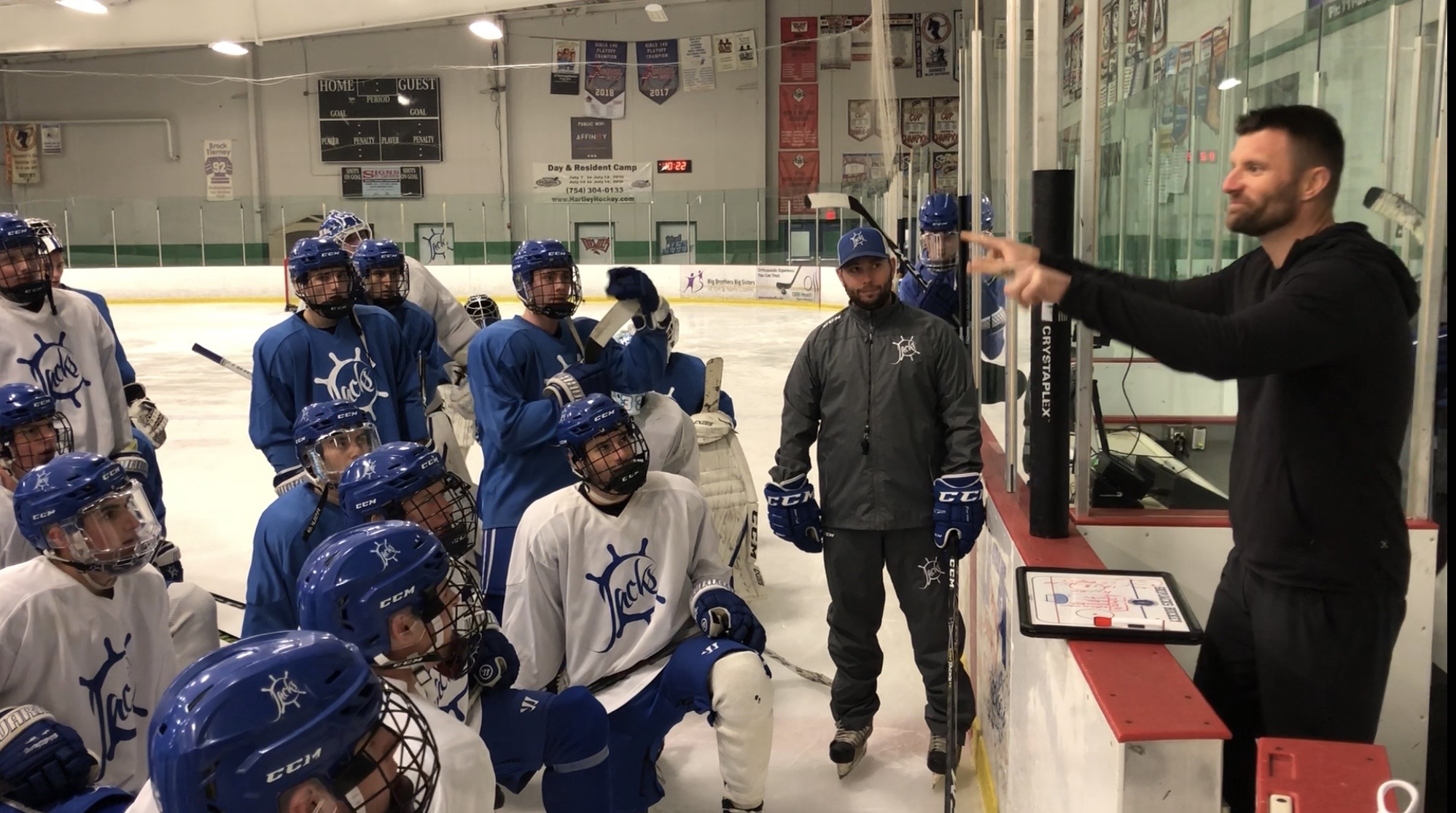
Coaching Hockey Players on in Practice MPM Techniques
Integrate Mental Training Into Practice
Do not make mental performance a separate classroom that never touches sport. Embed it. Before a drill, identify the focus cue. During the drill, create a pressure or adversity element. After the rep, debrief the response.
At the end of practice, ask for one piece of process evidence. Use two minutes rather than waiting for a forty-five-minute meeting.
A baseball bullpen can score reset routines.
A basketball shooting drill can score committed decisions and BFS.
A soccer small-sided game can include if-then responses to calls.
A strength session can train self-talk and finish standards.
The mental skill becomes part of how the sport is practiced—not an extra activity athletes can dismiss.
Personalize Without Losing The Standard
Top coaches do not assume one mental strategy works for every athlete. The standard may be shared. The tool can be personalized.
Every athlete needs a reset. One athlete may use a long exhale and the cue “present.” Another may need energetic movement and the cue “attack.”
Every athlete needs useful self-talk. The exact language should be believable and relevant. Every athlete needs accountability. The style and timing may differ.
Ask questions.
- What do you notice first when pressure rises?
- What language helps you commit?
- What state produces your best performance?
- Which prompt will you actually see?
Individualization is not lowering the standard. It is improving access to the standard.
The Six Cs of Coaching Leadership
Pillar 9 is Leadership, and leadership can be developed through coaching the six skills we call the six C’s of Leadership.
Connection. Know the person. Build trust before difficult correction.
Character. Live the standard when nobody is watching.
Competence. Know the sport and know how to teach the mental tools accurately.
Consistency. Apply the standard to the star, reserve, staff, and self.
Communication. Say less, say it clearly, and connect words to behavior.
Courage. Have the honest conversation, own mistakes, and address culture drift early.
Technical knowledge may earn initial credibility. The six Cs determine whether athletes can receive and use it.
Create Athlete Self-Coaches
The goal is not for athletes to need your voice in every moment.
Give them questions they can carry.
- What can I control?
- What is my signal light?
- What is the next best response?
- What does my process require?
- What is my final TIF?
- What does the standard look like now?
Then let athletes lead parts of the system. Have them teach a reset routine to a partner. Ask captains to recognize process evidence. Use boat crews for weekly reflection. Let athletes help define above-the-line behaviors. Teaching deepens learning. Ownership strengthens transfer.
Use Evidence-Based Feedback
Vague praise creates vague learning. “Good job” feels positive but gives little direction.
Name the behavior. “You went yellow after the call, took one breath, found your focal point, and communicated the next coverage. That is a trained response.”
Correction should be specific too. “The standard is eyes up and connected communication after a turnover. Your eyes stayed down for two possessions.
Use the reset before you cross half court.” Evidence removes some emotion from feedback. The athlete knows what happened and what comes next.
Model The Skill
Coaches cannot outsource mental performance. If you preach controllables while attacking officials, the team learns your behavior.
If you demand composure while your own body language collapses, the team sees the real standard.
If you ask for accountability but defend every coaching decision, athletes notice.
Build your own routines. Use a breath before a timeout. Ask staff to cue you when yellow. Own mistakes publicly. Plan tomorrow tonight. Complete the same reflection you ask of athletes.
You must be in control of yourself before you can control performance.
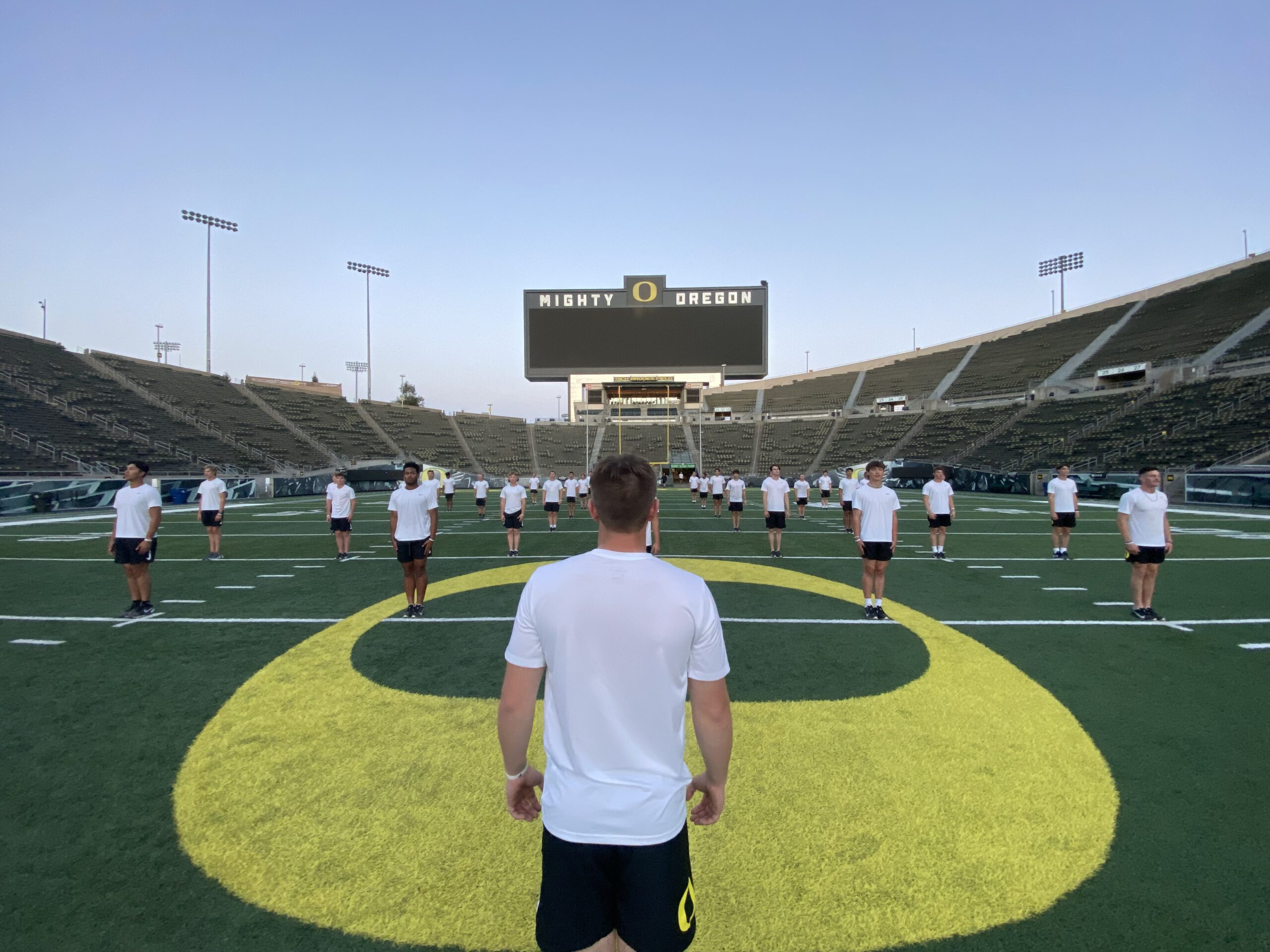
Taking Oregon Baseball through on field culture in action work
Measure The Mental Game
What gets measured gets attention, so start tracking simple indicators of your mental game such as:
- Reset completion.
- Return speed.
- Routine use.
- Communication after mistakes.
- Process-score percentage.
- Weekly success checklist.
Don’t create a giant dashboard. Select one or two behaviors linked to the current teaching theme. Review evidence and adjust.
Measurement tells athletes the mental game is part of performance, not an optional speech topic.
The Direct Tie To All 10 Pillars
Pillar 9, Leadership, drives the coaching skill of intentional mental-performance teaching.
Pillar 1, Elite Mindset, gives athletes perspective and ownership.
Pillar 2, Motivation and Commitment, teaches purpose and consistent action.
Pillar 3, Focus and Awareness, makes attention trainable.
Pillar 4, Self-Control and Discipline, builds response-ability.
Pillar 5, Process Over Outcome, creates controllable scoreboards.
Pillar 6, Mental Imagery and Meditation, prepares athletes for pressure and disruption.
Pillar 7, Routines and Habits of Excellence, turns tools into repeatable behavior.
Pillar 8, Time Management and Organization, protects preparation and recovery.
Pillar 10, The Right Culture, makes mental mastery part of how the whole program operates. The top-one-percent coach does not merely know these pillars. The coach teaches, models, integrates, and measures them.
Common Mistakes
Mistake one is teaching mental skills only after failure.
Mistake two is overwhelming athletes with too many tools.
Mistake three is using generic language without observable behavior.
Mistake four is separating mental training from sport practice.
Mistake five is demanding skills the coach does not model.
Teach one tool. Apply it. Measure it. Repeat it.
A Seven-Day Coach Upgrade
Day one: choose one mental skill your athletes need most.
Day two: define the visible behavior and shared language.
Day three: demonstrate the tool and let athletes personalize it.
Day four: embed it into one normal practice drill.
Day five: add pressure and score the response.
Day six: have athletes teach the tool to a partner.
Day seven: review evidence and schedule the next week of spaced repetition.
Implementation Notes for Coaches
The fastest way to install top-level mental-performance coaching is to translate the idea into behavior that a camera could capture.
For this topic, look for a simple curriculum, visible mental skills, integrated practice reps, and evidence-based feedback. Explain why those behaviors matter, demonstrate them, let the athlete personalize the language, and then evaluate the response in practice.
If the standard remains abstract, athletes will agree with it in a meeting and lose it when emotion, fatigue, uncertainty, or consequence enters the environment.
Use a simple progression: teach the response when the athlete is calm, rehearse it in a normal drill, and then pressure-test it. One practical option is to teach one mental skill in five minutes, model it, embed it into the next drill, and measure whether athletes can coach themselves through it.
Keep the feedback tied to the controllable behavior.
Ask, “What did you do well? What could you do better? How will you make that improvement on the next rep?”
That Well-Better-How review protects accountability while keeping the athlete connected to growth.
This is also where Pillar 9 — Leadership becomes part of the daily culture instead of a lesson athletes hear once. Model the response as a coach, reinforce it when the outcome is good and when it is not, and measure improvement over time.
Do a little a lot. Repetition makes the response available when the athlete needs it most.
The Standard Going Forward
The one skill that separates top coaches is the ability to intentionally and systematically teach athletes how to coach their own mind.
Stop preaching. Start teaching. Make the invisible visible. Give athletes a routine. Create reps. Use evidence. Personalize the tool. Model the standard. Do a little a lot.
Your greatest coaching success is not an athlete who always needs your speech. It is an athlete who can recognize, respond, and perform when your voice is not available.
That is coaching that lasts.
Your Next Step!
If you are a coach looking to master mental performance coaching, the missing link in your clients’ and athletes’ performance, join my MPM Coaches Insiders List and receive my best strategies for coaching mental performance and save $200 off my MPM Certification Course when it opens this fall.
💻 Join my MPM Coaches Certification Insiders List & Save $200
👍 Take my FREE 3 Day Coaches Mini-Course