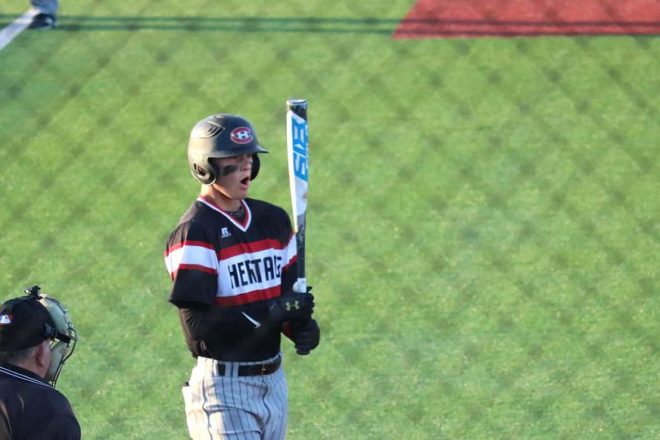
A pitcher gives up a double, misses with his next pitch, and starts doing math on his ERA.
His attention moves from the catcher’s target to the scoreboard.
Then he hears the familiar instruction: “Trust the process. One pitch at a time.”
That instruction becomes useful ONLY when the pitcher can identify the process he’s supposed to trust.
He needs preparation he can repeat, a routine he has practiced, and a way to learn from the outing afterward.
Corbin Burnes’ story shows what that work can look like. His development offers a practical lesson for baseball players: write down the actions that prepare you to compete, give them a place in your day, and review how consistently you perform them.
That’s the purpose of a Success Checklist.
You can start building one before your next practice.
What Corbin Burnes changed after 2019
Corbin entered the big leagues in 2018 and went 7–0 with a 2.61 ERA out of Milwaukee’s bullpen.
The next season brought an 8.82 ERA, trips between the majors and Triple A, and changes between starting and relieving.
In our published podcast interview from 2021, he explained that he hadn’t established the process and routine he needed to prepare for a start every five days. When we began working together in 2019, organizing his mental preparation became part of the work he was doing to improve his pitching.
In 2021, he won the National League Cy Young Award and led the majors with a 2.43 ERA. Those season results are documented in this official award announcement.
His turnaround involved pitching development, physical work, and mental preparation.
Corbin earned those results and thankfully for all of us he is open to sharing what he learned, what he does and the process that makes him great. He is the living embodiment of what it means to be selfless and to use your platform for good whither that’s donating his time to the Phoenix Children’s Hospital to sharing insight into his mental game to help move the field of mental performance forward.
The lesson you can apply is how deliberately he organized the work between appearances and brought his attention back to the pitch in front of him.
Give preparation a place in your day
In that 2021 interview, Corbin and I discussed the 120 hours between starts in a five-day rotation.
Each day had a purpose. He described knowing what preparation belonged on that day and feeling ready when it was time to pitch again.
The broadcast report on his Success Checklist describes about 25 tasks a week, including everyday responsibilities such as making his bed and doing laundry. The broader lesson is that structure extended beyond the mound.
Jeff Passan’s 2023 ESPN profile likewise describes preparation at home followed by work at the ballpark.
Your baseball schedule will probably look different.
A high school starter has classes and homework.
A reliever may need to be ready without knowing when he’ll enter.
A two-way player has hitting and defensive responsibilities alongside a throwing plan.
Start with those actual responsibilities. Put school, team practice, games, and coach-assigned work on your schedule. Then identify where you can consistently complete your mental preparation.
For example, review your baseball focus before you begin practice. Rehearse your routine before your first competitive repetition. Complete a short performance review before you put your notebook away for the evening.
A clear starting point makes an action easier to repeat. “After I change for practice” gives you a useful cue. “When I find time” leaves the decision open all day.
Build a five item Success Checklist
The following is a starter checklist to adapt with your coach.
It is a practical coaching example, rather than a reproduction of Corbin’s personal schedule.
1. Write today’s baseball focus. Choose a task you can practice. A pitcher might focus on committing to the target during an assigned bullpen. A hitter might work on making decisions that match the approach for that round. Avoid entries so broad that you can’t tell whether you completed them.
2. Complete today’s assigned preparation. Follow the throwing, movement, recovery, and other baseball work your coaches have planned. If that plan changes, update the checklist. Checking off yesterday’s assignment doesn’t help you prepare for today’s role.
3. Rehearse your routine. Before your first competitive repetition, practice where your attention goes, the breath you take, and the cue you use. A pitcher’s example might be to settle, identify the pitch and target, and commit. Keep it simple enough to use at game pace.
4. Practice a response to adversity. Include one imagined or coach-created difficult situation within your normal practice. Rehearse what you do after a walk, a missed location, a strikeout, or an error. The next action should reconnect you to your job.
5. Finish with a performance review. Write what went well, what could be better, and how you’ll work on it. Choose an adjustment specific enough to influence your next practice.
Five items are enough to begin. Each should describe something you can do, with a clear point in the day when you intend to do it.
Make the bullpen a rehearsal for competition
Suppose your coach has scheduled a bullpen. The throwing plan is already set. Your mental assignment is to commit to the target and practice resetting after a miss within that session.
Tell your catcher the focus before you start. Use the routine you’ll need in the game: settle your attention, take a comfortable breath, get clear on the pitch and location, and commit.
When you miss, notice it and return to the next target. Pay attention to whether you rush, change your body language, or carry the previous pitch into the next one.
After the session, ask your catcher for an observation. Where did you look committed? When did your pace change? What happened after you missed twice?
Those questions make the checklist useful. You can explain both the physical work you completed and the mental skill you practiced. You’re preparing for the inning when a runner reaches second and the next pitch suddenly feels more important.
Plan your response before you need it
A checklist also needs to prepare you for the parts of baseball you won’t enjoy.
Imagine a ground ball finding a hole after you executed the pitch you wanted. You can be disappointed and still make a useful next choice. Relax your shoulders, take a breath, and use a short cue such as “this pitch.” Reconnect with your catcher and account for the runner before the next pitch.
Practice that response with your coach. During an existing drill, have the coach announce a situation: “The runner reached on an error.” Then rehearse your reset and continue with the baseball task.
A hitter can do the same after a called strike. A shortstop can rehearse returning to the situation after a rushed throw. A catcher can practice communicating clearly after a difficult inning.
The point is to give yourself a familiar response you have already practiced. That makes “move on” an action you can demonstrate.
Evaluate execution as well as the box score
In our interview, Corbin described reviewing video and grading his pitch execution. Will Sammon’s 2022 report for The Athletic adds an important detail: his assessment considered the count and game situation, with location a major factor. He was examining what he had actually done, beyond whether the final line looked good.
Use that principle with criteria you and your coach agree on. Review the intended pitch and location, where the ball went, and whether you followed your routine. Keep those observations distinct. A missed location and a rushed routine may require different adjustments.
A fastball over the middle can become an out. A well-located pitch can become a hit. Results still matter; reviewing execution gives you more information about what to repeat and what to improve.
When video isn’t available, record the pitches you remember clearly and compare notes with your catcher. Be honest about what you can’t reconstruct. You don’t need a made-up execution percentage to identify a useful practice task.
Your review might read: “I stayed committed with runners on base. I rushed after consecutive misses. In my next scheduled session, I’ll rehearse a breath and target cue after a simulated miss.”
That is a lesson you can take back to the field.
Adapt the checklist across the diamond
Hitters can track preparation, approach, and decisions. An 0-for-4 can include committed at-bats; a two-hit day can include swings at pitches outside the intended plan. Review the count, situation, and decision so your next round of batting practice has a purpose.
Fielders can include knowing the outs, runners, positioning, and likely play before contact. Catchers can include a brief conversation about the pitching plan and how they’ll communicate adjustments. Bench players can prepare for a pinch-hit opportunity and stay aware of the defensive situation.
Coaches can ask a player to explain one checklist item and demonstrate it. If the player cannot connect it to a baseball responsibility, help make the item more specific.
Parents can ask what their player prepared well and what they’ll work on next. That conversation gives the player room to discuss learning alongside the day’s results.
Use the same review after good and difficult days
After a strong outing, identify the preparation and decisions worth repeating. After a difficult outing, look for both useful habits and specific adjustments. Keep asking what went well, what could be better, and how you’ll improve it.
Sammon’s journal report gives a specific example: after a 30-minute inning on the bench, Corbin identified staying loose and focused as an area to improve. He recorded breathing techniques and movement between innings as steps to help. The review produced a plan for the next opportunity.
Review the checklist itself, too. A repeatedly missed item may need a clearer instruction, a different time, or a conversation with your coach about whether it fits your role.
For the next seven days, choose five actions, assign each a time, and mark what you actually complete. At the end of the week, identify one habit becoming consistent and one item to improve.
Corbin’s story gives you a reason to take your preparation seriously. Your next step is to put your own plan on paper and practice following it.
Your Next Step!
If you’re a player, coach, or parent who cares about gaining a competitive edge, you’ll want to join my Baseball Mental Mastery (BAMM) Course Insiders List. I designed BAMM to give you a complete system for mastering the mental game of baseball to compete with confidence, consistency, and mental toughness — and registration opens soon!
When you join the BAMM Insider’s List, you’ll get first access when BAMM opens and receive a special discount.