How to Coach Time Management and Organization so Athletes Preserve Energy for What Matters
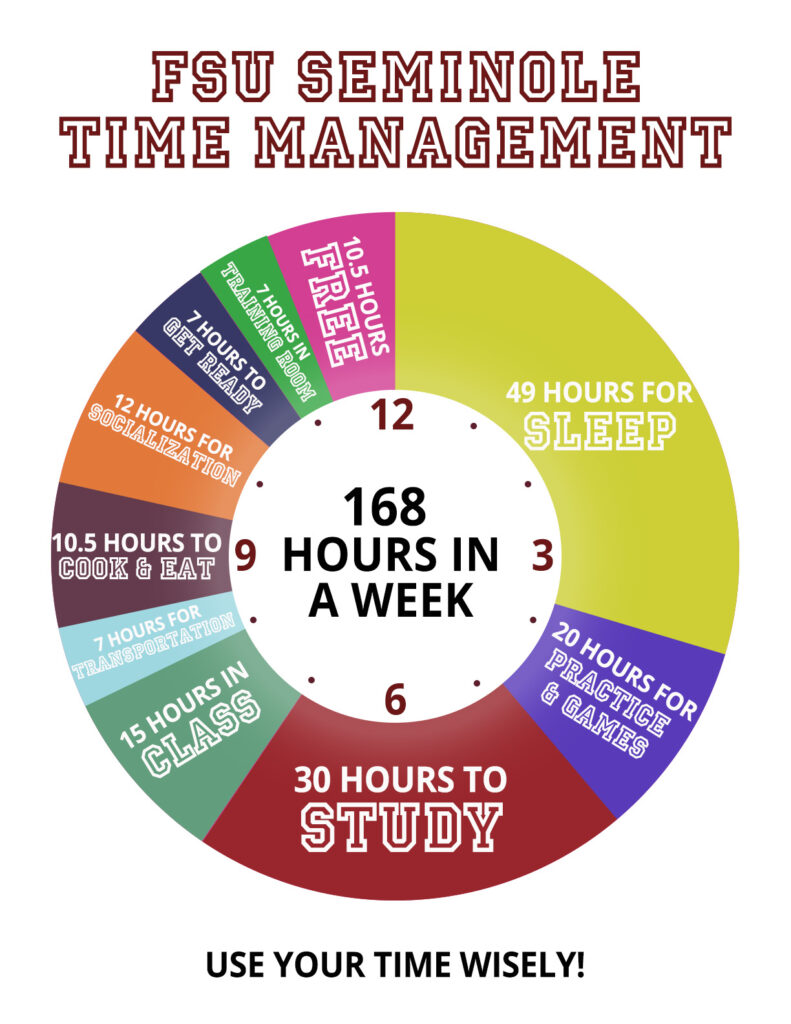
Time management is not really about controlling time. Every athlete gets the same twenty-four hours, 168 hours each week, and 86,400 seconds each day. Time keeps moving.
The skill is deciding what deserves attention, when it will happen, and how to protect enough physical and mental energy to do it well.
Disorganized athletes do not only lose minutes. They lose energy through forgotten equipment, rushed meals, late assignments, reactive phone use, missed recovery, and constant decision-making.
Organization removes unnecessary decisions so attention can go toward performance.
Today I will show you how to coach Pillar 8—Time Management and Organization—through priorities, reverse engineering, calendar design, the Focus Funnel, plan-tomorrow-tonight routines, and weekly review.
Manage Energy, Not Just Minutes
Two hours are not always equal.
An athlete may have ninety available minutes late at night but no quality attention left.
Another athlete may protect forty focused minutes after school and accomplish more.
Teach athletes to notice energy patterns. When is concentration strongest? When is physical training scheduled? Where does recovery belong? Which transitions create drift? What decisions repeat every day? Place the highest-value work in the best available energy. Do not leave the Most Important Task for leftover time. Time management is energy allocation.
Begin With The 168-Hour Audit
Athletes often say, “I do not have time.” Do not argue. Audit. Map one real week. Sleep. School. Practice. Travel. Meals. Study. Recovery. Phone and entertainment. Relationships. Unplanned gaps. Use facts without shame.
The purpose is not to schedule every second. It is to see where time and energy actually go. An athlete may discover that the problem is not a completely full schedule. It is fragmented attention.
Ten minutes of phone use becomes thirty. A late assignment creates an emergency. Equipment preparation is repeated every morning. Awareness creates options.
Reverse-Engineer The Week
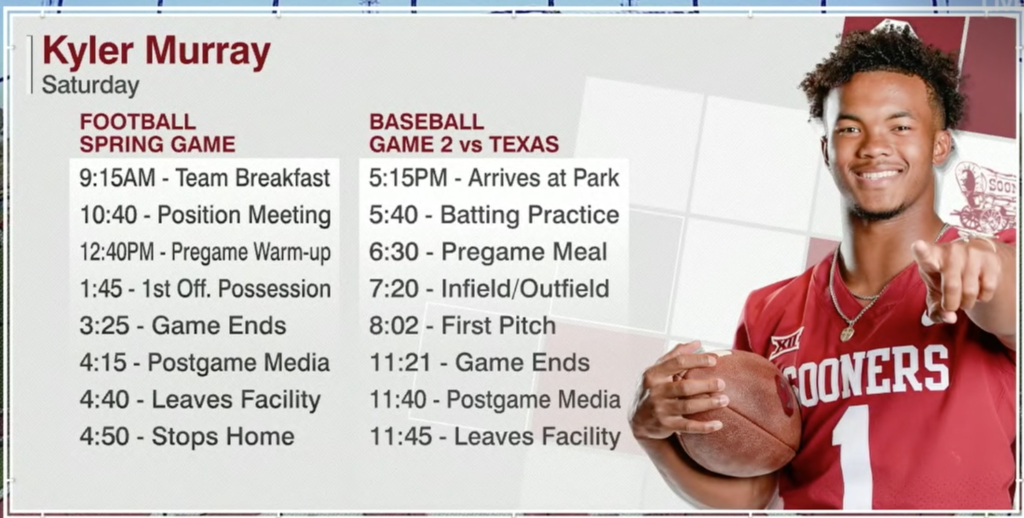
Start with fixed commitments and important outcomes. When is competition? When must the athlete be recovered? When are academic deadlines? What preparation must happen before those moments?
Work backward. Competition on Saturday means recovery and review after the previous event, key training earlier in the week, taper or tactical work at the correct time, equipment pre
paration, travel planning, sleep protection, and mental rehearsal.
A paper due Frid
ay means topic, outline, draft, revision, and submission need earlier homes. Reverse engineering prevents the future deadline from becoming tonight’s crisis. The calendar becomes a performance tool.
Identify The MIT
MIT means Most Important Task. Ask each evening: “If only one important action gets completed tomorrow, which one creates the greatest return?” The MIT may be rehabilitation.
A key training session. A major assignment. A difficult conversation. Sleep preparation. The MIT does not eliminate other responsibilities. It protects the highest-leverage action from being buried under easy activity.
Schedule it at a specific time and place. “I will work on recovery” is vague. “At 3:15 in the training room, I will complete the twenty-minute knee protocol” is actionable.
Use The Focus Funnel
When the list is too large, use the Focus Funnel.
First: Eliminate. Does this need to happen at all? Remove low-value commitments, unnecessary notifications, and repeated tasks that do not support the mission.
Second: Automate. Can a system handle it? Recurring calendar reminders, automatic bill pay, meal templates, packing checklists, or preset focus modes.
Third: Delegate. Is this the best use of the athlete’s role and energy, or can appropriate support handle part of it? Delegation is not avoiding responsibility. It is using resources intelligently.
Fourth: Procrastinate on purpose. Some tasks matter, but not now. Place them on a later list with a real review time.
Fifth: Concentrate. The remaining high-value work receives protected, single-task attention. Eliminate. Automate. Delegate. Procrastinate. Concentrate.
The funnel prevents everything from pretending to be equally urgent.
Plan Tomorrow Tonight
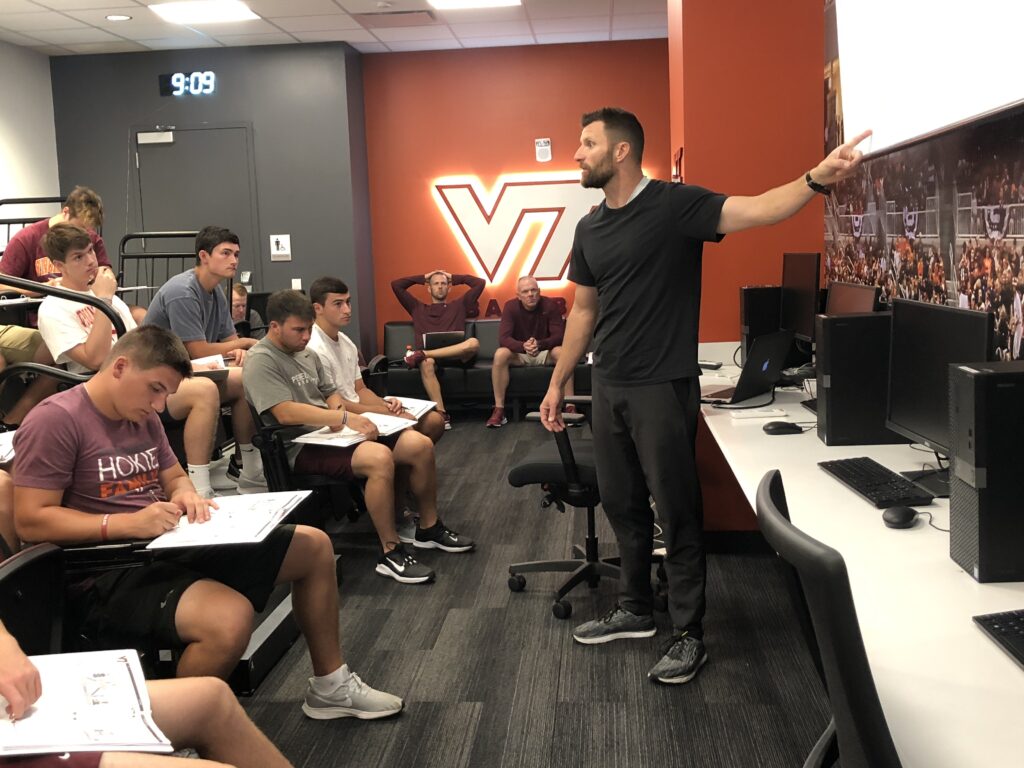
One of the highest-return routines is planning tomorrow tonight.
Before bed: Review the calendar. Choose the MIT. Select two or three supporting priorities. Identify travel and transition time. Prepare equipment and clothing. Place meals or hydration where needed.
Decide when the phone will be away. Write the first action of the morning.
This reduces morning decisions and protects sleep from mental reminders.
The athlete wakes with direction instead of beginning the day in reaction. Keep the routine under ten minutes. Simple survives.
Use Time Blocks And Transition Blocks
A time block gives one task a protected container.
During the block, remove competing cues. Phone away. Tabs closed. Equipment ready.
One clear outcome. But athletes also need transition blocks.
Travel takes time.
Showering takes time.
Moving from class to practice takes time.
Eating takes time. A
calendar packed with back-to-back commitments creates guaranteed lateness and rushed energy.
Add realistic margins. Organization should create calm—not a fragile schedule that breaks after one delay.
Create Checklists For Repeated Decisions
Do not use memory for recurring logistics. Game-day packing list. Travel checklist. AM routine. PM shutdown. Recovery list. Weekly academic review.
Checklists preserve attention.
A pilot uses a checklist not because the pilot lacks knowledge, but because important repeated actions should not depend on mood or memory.
Athletes can do the same.
Protect Deep Focus
Multitasking is often rapid task switching.
Every switch carries a cost. The athlete studies while checking messages, watches film while scrolling, and completes recovery while mentally somewhere else.
The time is technically occupied, but the quality is low. Use a focus sprint.
Twenty-five or forty-five minutes of one task. Then a short break.
Define the finish line before beginning. “Complete the outline.” “Review fifteen clips and record three patterns.” “Finish the recovery sequence.” Attention works better with a clear job.
Build An Interruption Plan
Real life interrupts.
Instead of expecting a perfect day, create if-then responses.
If practice runs late, then I use the minimum recovery routine and move the study block to the protected morning slot.
If travel changes, then I complete imagery and mobility in the hotel before phone use.
If an urgent issue appears during focus work, then I write it on a parking list and return until the block ends.
Flexibility protects the system. The goal is not rigid control. The goal is the next best use of available time and energy.
The Weekly Review
A plan improves through reflection.
Once a week, ask:
(1) What moved the mission forward?
(2) Where did time leak?
(3) Which block had the best energy?
(4) What created unnecessary stress?
(5) What should I eliminate, automate, delegate, delay, or concentrate on next week?
Use Start, Stop, Continue. Then build the next week before it begins.
Without review, athletes repeat the same planning errors. With review, organization becomes a trainable skill.
Coach Without Becoming The Personal Assistant
Early support is useful.
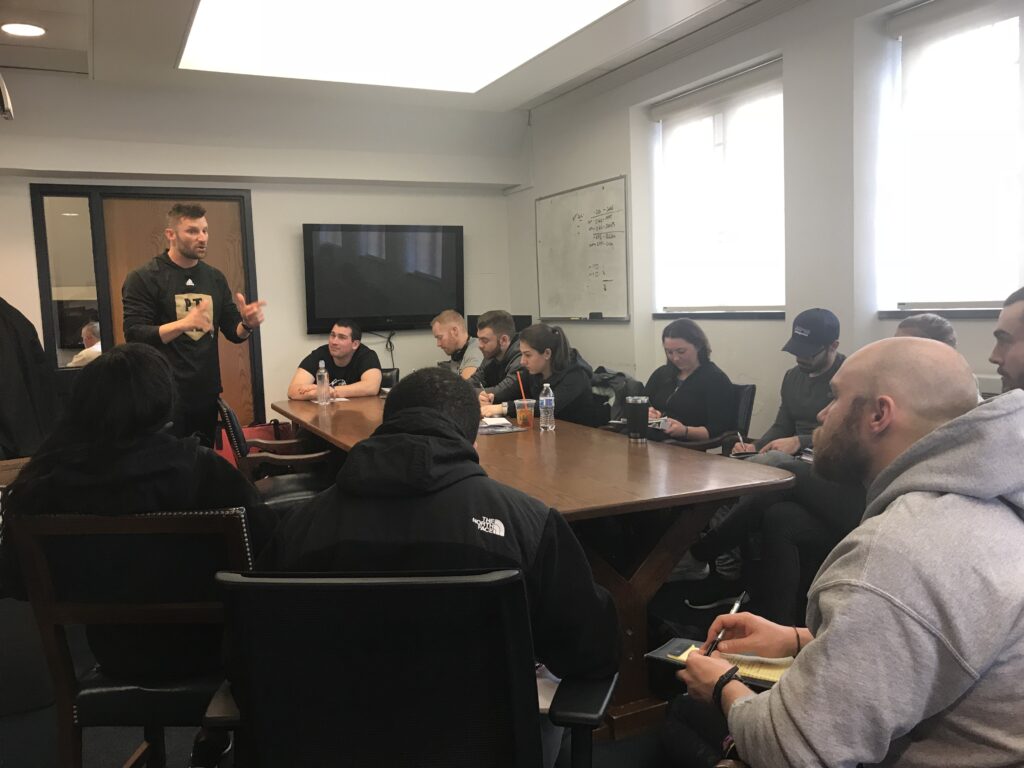
Sit with the athlete and build the first schedule. Demonstrate reverse engineering. Create a template. Then transfer ownership.
The athlete should bring the calendar, identify conflicts, and propose solutions.
Coaching time management is not doing time management for them. It is teaching a process they can use independently.
The Direct Tie To All 10 Pillars
Pillar 8 is Time Management and Organization.
Pillar 1, Elite Mindset, treats schedule problems as solvable design challenges.
Pillar 2, Motivation and Commitment, connects priorities to purpose.
Pillar 3, Focus and Awareness, protects single-task attention and notices time leaks.
Pillar 4, Self-Control and Discipline, follows the plan and manages distraction.
Pillar 5, Process Over Outcome, turns goals into scheduled leading behaviors.
Pillar 6, Mental Imagery and Meditation, receives protected space rather than leftover hope.
Pillar 7, Routines and Habits of Excellence, automates repeated decisions.
Pillar 9, Leadership, develops trustworthy self-management and communication.
Pillar 10, The Right Culture, respects time, preparation, and recovery across the organization.
Common Mistakes
Mistake one is filling every minute.
Mistake two is confusing a task list with a calendar.
Mistake three is leaving out transitions and recovery.
Mistake four is using memory for repeated logistics.
Mistake five is making the coach responsible for the athlete’s schedule forever.
Create priorities, realistic margins, checklists, and ownership.
A Seven-Day Organization Plan
Day one: complete a real 168-hour audit.
Day two: identify fixed commitments, deadlines, and energy patterns.
Day three: reverse-engineer the next competition and major academic deadline.
Day four: use the Focus Funnel on the task list.
Day five: install the plan-tomorrow-tonight routine and choose the MIT.
Day six: create one recurring checklist and one interruption if-then plan.
Day seven: review with Start, Stop, Continue and build the next week.
Implementation Notes for Coaches
The fastest way to install energy-preserving organization is to translate the idea into behavior that a camera could capture.
For this topic, look for a 168-hour audit, one most-important task, time blocks, transition blocks, and a nightly plan.
Explain why those behaviors matter, demonstrate them, let the athlete personalize the language, and then evaluate the response in practice.
If the standard remains abstract, athletes will agree with it in a meeting and lose it when emotion, fatigue, uncertainty, or consequence enters the environment.
Use a simple progression: teach the response when the athlete is calm, rehearse it in a normal drill, and then pressure-test it.
One practical option is to have athletes plan tomorrow tonight, protect one deep-focus block, record their energy, and review whether the calendar reflects what they say matters.
Keep the feedback tied to the controllable behavior. Ask, “What did you do well? What could you do better?
How will you make that improvement on the next rep?”
That Well-Better-How review protects accountability while keeping the athlete connected to growth.
This is also where Pillar 8 — Time Management and Organization becomes part of the daily culture instead of a lesson athletes hear once.
Model the response as a coach, reinforce it when the outcome is good and when it is not, and measure improvement over time.
Do a little a lot. Repetition makes the response available when the athlete needs it most.
The Standard Going Forward
Time cannot be managed. Attention, priorities, decisions, and energy can.
Audit the 168 hours. Reverse-engineer what matters.
Protect the MIT.
Use the Focus Funnel.
Plan tomorrow tonight.
Create realistic blocks and margins.
Use checklists.
Review the evidence.
Organization is not about doing more every minute.
It’s about removing unnecessary decisions and preserving enough energy to do the most important work well.
Your Next Step!
If you are a coach looking to master mental performance coaching, the missing link in your clients’ and athletes’ performance, join my MPM Coaches Insiders List and receive my best strategies for coaching mental performance and save $200 off my MPM Certification Course when it opens this fall.
💻 Join my MPM Coaches Certification Insiders List & Save $200
👍 Take my FREE 3 Day Coaches Mini-Course