How to Build Routines and Habits of Excellence in Your Athletes — Pillar 7
Excellence is not an event. It is a habit. And habits are trained.
When the game is on the line, athletes do not suddenly become someone new.
They fall back on what they have rehearsed. Their routines reveal how they have prepared, and their habits reveal what they have repeated.
That is why two athletes with similar talent can produce very different results.
One has a reliable structure for getting ready, locking into the present moment, responding to adversity, and recovering after the performance.
The other waits to feel motivated, confident, or comfortable. One athlete has trained excellence. The other hopes excellence shows up.
As a coach, your job is not merely to tell athletes to be consistent. Your job is to help them build a repeatable process that makes consistency more likely.
That process is Pillar 7 of the Mental Performance Mastery System: Routines and Habits of Excellence.
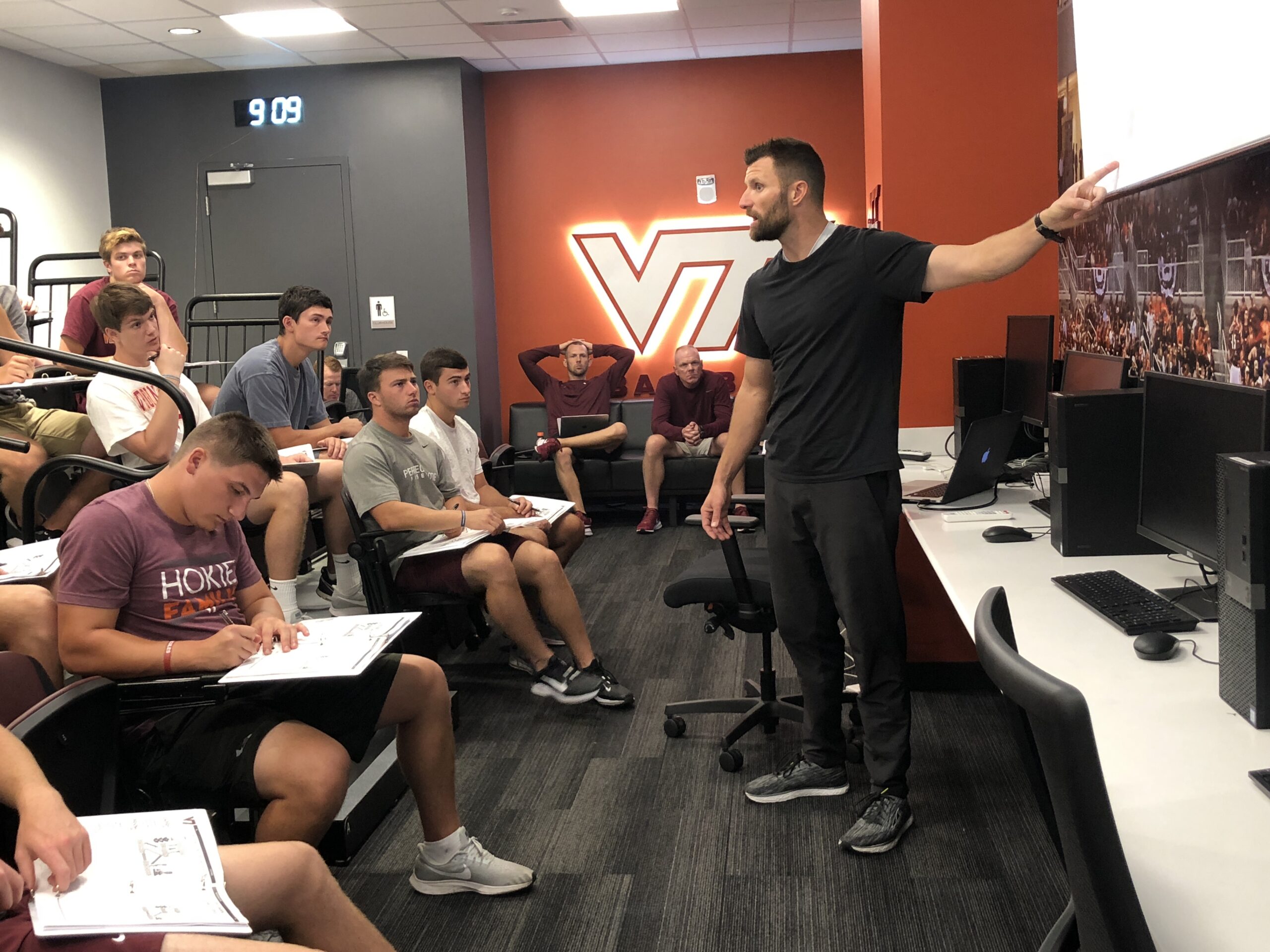
Building the mindset behind peak performance.
Why Routines Beat Motivation
Motivation is valuable, but it is not dependable. Energy changes. Confidence rises and falls. Schedules get disrupted. Pressure increases.
The athlete who depends on feeling ready will eventually meet a day when the feeling never comes.
A routine removes part of that uncertainty. It is a preplanned sequence of controllable actions designed to create physical, mental, and emotional readiness.
A habit is a behavior that becomes easier and more automatic through repetition. Put them together, and athletes no longer need to renegotiate the same decision every day. They know what to do next.
This is especially important in sport because performance environments are full of noise. There are expectations, statistics, opponents, officials, weather, travel, social media, parents, teammates, and consequences.
A strong routine does not eliminate those variables. It gives the athlete a stable place to return when those variables begin pulling attention in different directions.
Motivation fades. Routines travel.
Routines Are Not Superstitions
Athletes often confuse routines with superstitions, but they are not the same.
A routine is built from controllable actions that have a practical relationship to readiness or execution.
A pitcher takes a breath, sees the target, commits to the pitch, and delivers.
A hitter steps out, releases the previous pitch, reconnects with the plan, and steps back in.
A golfer stands behind the ball, visualizes the shot, takes one rehearsal swing, and commits.
A superstition is an unrelated action that the athlete believes controls the outcome: wearing a certain pair of socks because the team won last time, touching a sign a precise number of times, or refusing to change a meal because it preceded a good performance.
The simplest test is adaptability. A routine can travel and adjust because its purpose is clear. A superstition becomes fragile because the athlete believes the exact circumstance must be preserved.
Coaches should help athletes build routines that create readiness without creating dependency.
The Hourglass: Flip It On, Stay Present, Flip It Off
An effective performance routine can be pictured as an hourglass.
At the top is a definitive start. The athlete flips the switch on.
This might be the moment the uniform goes on, the first step onto the field, a particular song, a breathing sequence, or a simple phrase such as “Here and now.”
The trigger tells the brain and body that it is time to compete.
The narrow middle represents the present moment. During training and competition, the athlete keeps returning attention to the next controllable action.
Not the last mistake. Not the future result. Not the scoreboard.
The next pitch, possession, point, play, rep, or decision.
At the bottom is a definitive finish. The athlete flips the switch off, reviews the performance, captures the lesson, and begins recovery.
Without an ending routine, athletes can carry the game home, replay mistakes for hours, and confuse productive evaluation with emotional punishment.
The hourglass helps athletes understand that being fully engaged does not mean being mentally “on” all day. Sustainable excellence requires an intentional start, present-moment execution, and intentional recovery.
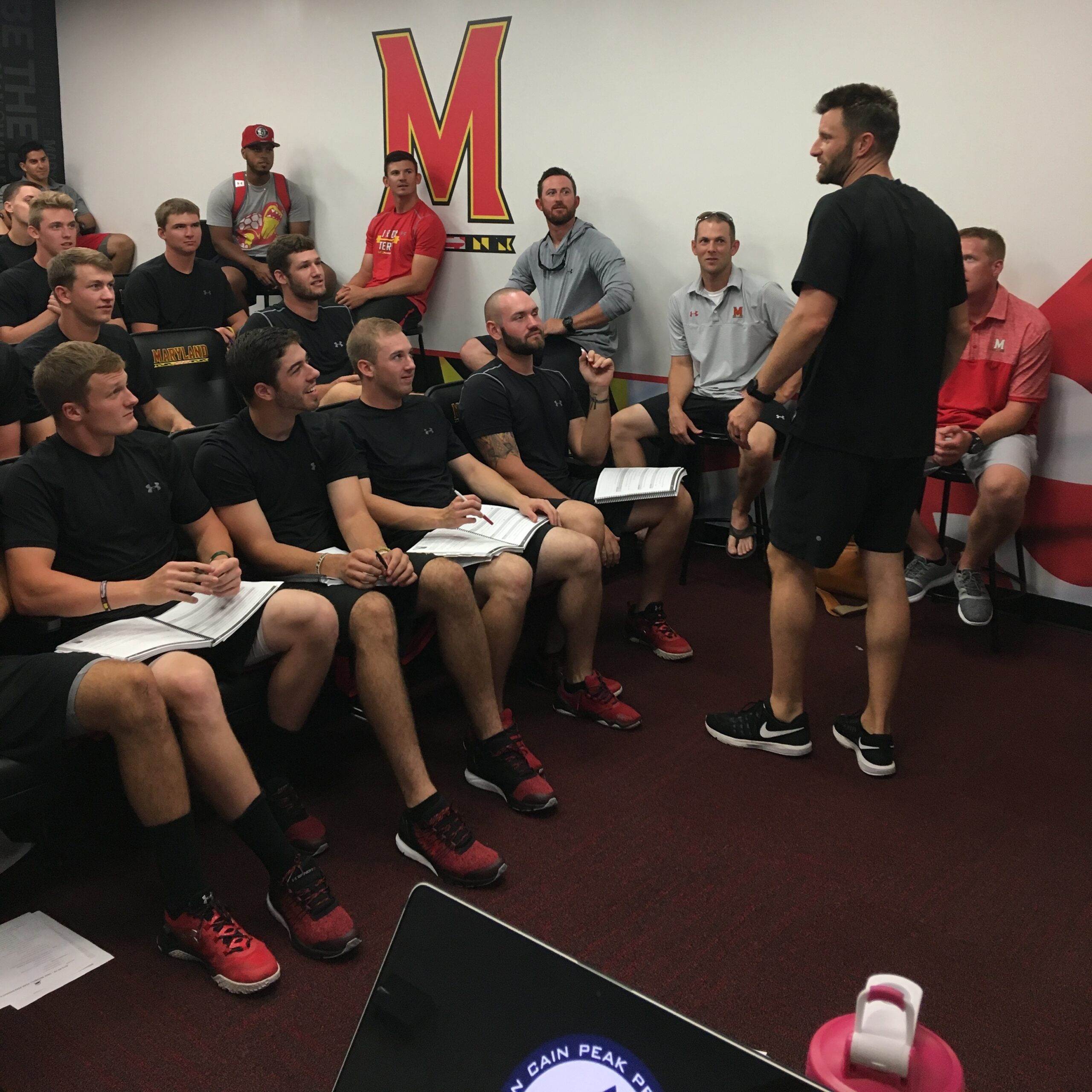
Learning, preparation, and the pursuit of excellence.
How Habits Become Automatic
Most habits follow a simple loop: trigger, action, reinforcement.
The trigger tells the athlete when to begin. The action is the behavior itself. The reinforcement gives the brain a reason to repeat it.
That reinforcement does not need to be a trophy or a perfect result. It can be the satisfaction of completing the routine, a check mark on a tracker, positive feedback from a coach, or the feeling of being prepared.
A useful coaching tool is an if-then plan. “If I make a mistake, then I will take one release breath, use my reset word, and reconnect with the next job.”
“If practice begins at 3:00, then my phone is away and my warm-up starts at 2:45.” If-then planning turns a vague intention into a decision made in advance.
Behavior is also more likely when motivation, ability, and a prompt meet at the same time. This is the B=MAP principle: Behavior happens when Motivation, Ability, and a Prompt converge.
Coaches often attack a habit problem by demanding more motivation, but the real issue may be that the routine is too difficult or the trigger is unclear.
Make the desired action easier. Make the prompt obvious. Then repeat it.
It is also easier to replace an unhelpful habit than to leave a vacuum. Do not only tell an athlete to stop checking the scoreboard, slamming equipment, or replaying the last mistake.
Give the athlete a specific replacement behavior: look at the focal point, exhale, use the release phrase, and reconnect with the next assignment.
A Seven-Step Process for Building a Performance Routine
1. Choose one performance moment.
Do not try to rebuild the athlete’s entire day at once. Select one moment that happens often and matters. It could be arriving at practice, beginning a bullpen, stepping to the free-throw line, serving in volleyball, returning to the huddle, responding after an error, or ending competition.
2. Define excellence behaviorally.
“Be focused” is not a routine. It is an outcome you want. Define what focus looks like. What will the athlete do with the eyes, breath, body language, self-talk, and attention? If a camera cannot capture the behavior, the instruction is probably too vague.
3. Select a clear trigger.
Attach the routine to something that already happens: crossing a line, hearing the whistle, putting on cleats, receiving the ball, stepping out of the box, or finishing a rep. A consistent trigger reduces the need to remember.
4. Keep the routine simple.
Under pressure, working memory shrinks. Long routines become difficult to execute and easy to abandon.
Start with no more than three controllable actions. For example: breathe, see the target, commit. Or release, reset, refocus.
5. Rehearse it away from competition.
Athletes should not meet a routine for the first time in the biggest moment. Practice it slowly. Use shadow reps. Put it on video.
Then pressure-test it with noise, fatigue, consequences, time limits, and distractions. A routine becomes trustworthy when it survives realistic disruption.
6. Track the behavior, not only the result.
The routine can be executed well even when the shot misses, the pitch is called a ball, or the opponent makes a great play.
Measure whether the athlete followed the process. Outcome data matters, but process data tells you whether the controllable behavior is improving.
7. Review with Well, Better, How.
After the rep, practice, or game, ask three questions:
- What did I do well?
- What could I do better?
- How will I make that improvement?
“How” converts reflection into an action plan. The review stays honest without becoming destructive.
The Goal Is Not Perfection. It Is the Return.
A common mistake is assuming a great routine means an athlete will never get distracted, emotional, tired, or frustrated.
That is unrealistic. Excellence is not the absence of disruption. Excellence is the ability to recognize disruption and return more quickly.
This changes the way coaches respond.
Instead of saying, “Why did you lose focus?” ask, “What did you notice, and what helped you return?”
Instead of punishing the athlete for having an emotional reaction, train the recovery behavior that should follow it.
The best performers are not robots. They have practiced the next best decision.
How Coaches Make Routines Stick
Start by explaining why the routine matters. Athletes are more likely to buy in when they understand the performance problem it solves.
Then demonstrate the routine. Show the body language, pace, breathing, and attention you expect.
If possible, let the athlete watch an excellent model and compare it with an ineffective one.
Next, give the athlete a chance to personalize the details within a clear team structure. A coach can require that every athlete have a reset routine while allowing each athlete to choose a meaningful reset word.
Personalization creates ownership; structure creates consistency.
Finally, evaluate the routine in practice. If coaches only notice routines during games, athletes learn that mental performance is an emergency tool.
Build routine reps into daily training. Praise execution when the outcome is good and when it is not.
Coaches must also model what they teach. It is difficult to demand emotional control from athletes when the staff becomes chaotic after one mistake. It is difficult to teach post-performance recovery when the coach replays a loss for three days. Your response is part of the learning environment.
How Pillar 7 Connects to All 10 Pillars
Routines and habits are not isolated from the rest of Mental Performance Mastery. They are the delivery system that helps athletes put every pillar into action.
Pillar 1, Elite Mindset: routines turn standards and identity into visible daily behavior.
Pillar 2, Motivation and Commitment: routines keep athletes moving when motivation is low.
Pillar 3, Focus and Awareness: reset routines help athletes notice where attention has gone and bring it back.
Pillar 4, Self-Control and Discipline: preplanned actions reduce impulsive reactions.
Pillar 5, Process Over Outcome: routines keep attention on controllable execution instead of the scoreboard.
Pillar 6, Meditation and Mental Imagery: breathing, mindfulness, and visualization become useful when they are scheduled and rehearsed.
Pillar 7, Routines and Habits of Excellence: repeated behaviors make excellence more automatic.
Pillar 8, Time Management and Organization: calendar routines protect preparation, sleep, school, recovery, and relationships.
Pillar 9, Leadership: leaders model standards consistently and help teammates return to them.
Pillar 10, The Right Culture: culture becomes real when shared standards show up in repeated behavior.
This is why routine design is so powerful. A coach may teach a great mental performance lesson, but the lesson changes behavior only when athletes know when and how to use it.
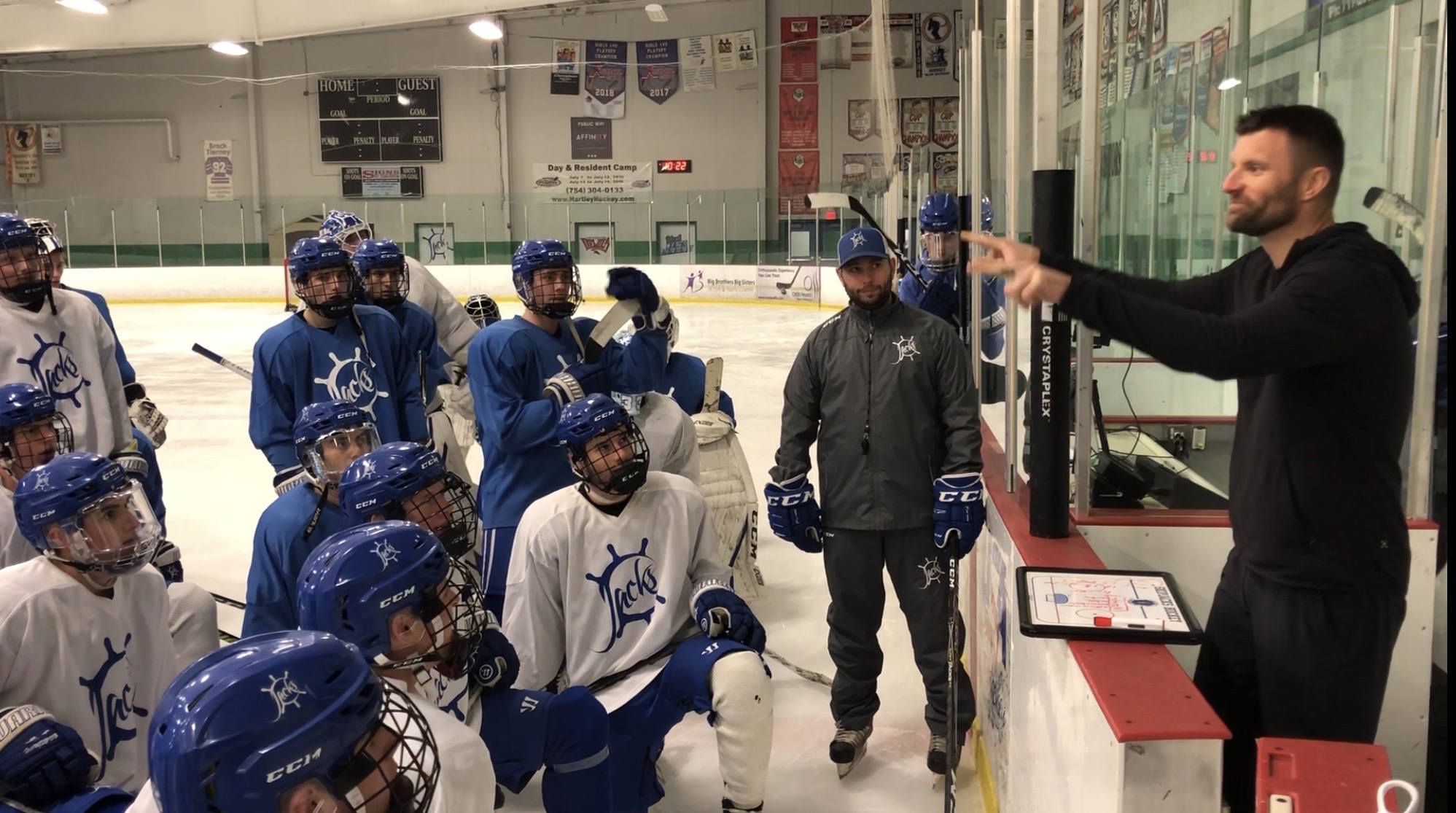
Stronger minds. Better preparation. Improved performance.
Five Coaching Mistakes to Avoid
The first mistake is making the routine too long. More steps do not automatically create more value. Under pressure, simple travels.
The second is rehearsing only in calm conditions. A routine that works in a quiet meeting room but disappears under fatigue has not been fully trained.
The third is tracking only outcomes. If the athlete follows the routine and still loses the point, reinforce the process before discussing the result.
The fourth is ignoring the end of performance. Post-game routines protect learning and recovery. Review, capture the lesson, then move forward.
The fifth is demanding consistency while modeling chaos. Athletes pay attention to what coaches repeat, not only what coaches say.
A Seven-Day Challenge for Your Team
For the next seven days, choose one performance moment and build one routine around it.
Define the start trigger.
Select no more than three controllable actions.
Choose an end trigger.
Write one if-then response for the most likely disruption.
Rehearse the routine in practice, then make the environment slightly more demanding.
After each day, review it with Well, Better, How.
Your success measure is not a perfect outcome. It is whether the athlete recognized the moment, completed the routine, and returned to the present more quickly after disruption.
Do a little a lot. One well-trained routine is more valuable than ten ideas an athlete cannot remember.
Championship habits are not created by one emotional speech. They are built through clear standards, simple behaviors, consistent triggers, realistic repetition, and honest review.
When athletes know how to flip the switch on, stay connected to the next controllable action, and flip the switch off, they become more reliable under pressure and more sustainable over time.
Excellence is not an event. It is a habit. And habits are trained.
Your Next Step!
If you are a coach looking to master mental performance coaching, the missing link in your clients’ and athletes’ performance, join my MPM Coaches Insiders List and receive my best strategies for coaching mental performance and save $200 off my MPM Certification Course when it opens this fall.
💻 Join my MPM Coaches Certification Insiders List & Save $200
👍 Take my FREE 3 Day Coaches Mini-Course